What acetylcholine does
Acetylcholine was the first neurotransmitter ever identified, and it remains the one most directly associated with learning and memory. In the brain it is concentrated in circuits running from the basal forebrain to the hippocampus and cortex — precisely the regions involved in encoding new memories and retrieving old ones.
Its role is often described as tuning the signal-to-noise ratio of attention: when acetylcholine signalling is strong, the brain is better at flagging what is new and worth encoding. That is why the clinical drugs used in cognitive decline are largely acetylcholinesterase inhibitors — they slow the breakdown of acetylcholine that is already there. (Those are prescription medicines for diagnosed conditions, and nothing in the supplement world is equivalent to them.)
Where the raw material comes from
Your body builds acetylcholine from two parts: choline, plus an acetyl group supplied through acetyl-CoA. Choline is an essential nutrient — the body makes some, but not enough, so the rest has to come from diet. Eggs, liver, soybeans, fish and cruciferous vegetables are the main dietary sources, and national nutrition surveys consistently show a large share of adults fall short of the adequate intake.
Why the choline form on a label matters
Not all choline sources behave the same way, and this is where supplement labels diverge sharply in quality.
| Form | Notes |
|---|---|
| Choline bitartrate | Cheapest common form. Raises body choline, but crosses into the brain comparatively poorly. |
| Alpha-GPC | Crosses the blood-brain barrier readily and is the form most used in cognitive research. Costs considerably more per gram. |
| Citicoline (CDP-choline) | Also brain-available; additionally supplies cytidine, used in membrane phospholipid synthesis. |
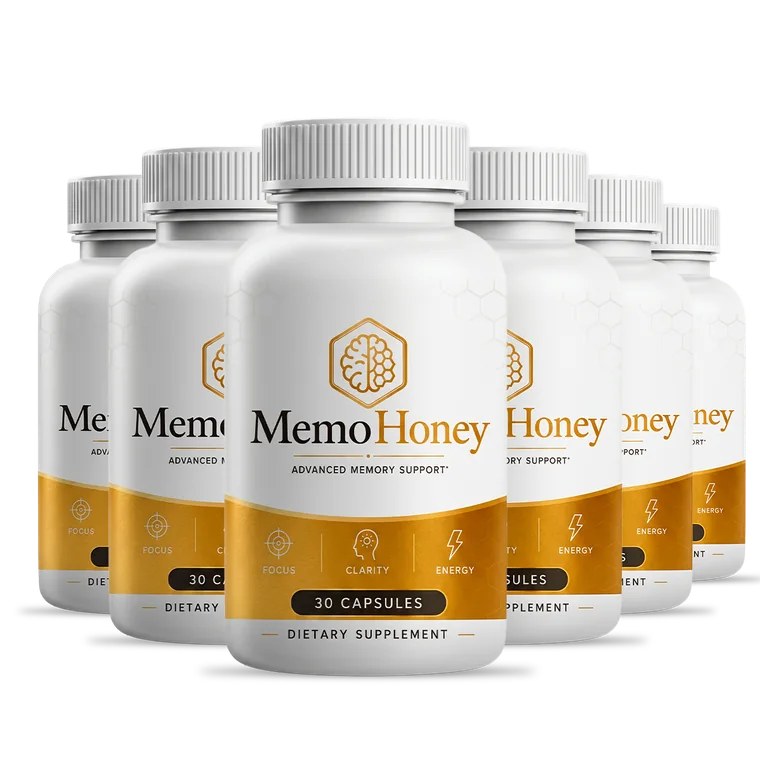
When a memory supplement lists choline bitartrate, it is buying a compliance ingredient. When it lists Alpha-GPC — as MemoHoney does — it is paying for the form the research actually uses.
The acetyl side of the equation
Choline alone is half the story. The acetyl group matters too, which is why Alpha-GPC is frequently paired with Acetyl-L-Carnitine. ALCAR carries an acetyl group and supports mitochondrial energy metabolism at the same time — useful, since acetylcholine synthesis is an energy-dependent process. Formulas that pair the two are addressing both inputs rather than one.
What this does not mean
Three honest caveats, because this area attracts overstatement:
- More choline is not linearly better. Very high doses are associated with side effects including headache and a fishy body odour, and there is no evidence that megadosing improves memory further.
- Supporting a pathway is not the same as treating a disease. Supplemental choline does not treat or prevent cognitive decline, and no dietary supplement may claim to.
- Effects in healthy adults are modest. The strongest signals in choline research tend to come from people who were deficient to begin with.
The practical takeaway
If you are evaluating a memory supplement, look for the choline form before you look at anything else on the label. Alpha-GPC or citicoline indicates a formula built on the research; bitartrate indicates one built on the budget. Then check whether an acetyl donor is present alongside it. Those two checks will separate most serious formulas from most filler ones in about ten seconds.
More: how the MemoHoney formula works · the full ingredient list.